

Proper storage of SWA (Steel Wire Armoured) cables is crucial for maintaining their quality and performance. As a supplier of SWA cables, I understand the importance of ensuring that these cables are stored in the right conditions to prevent damage and extend their lifespan. In this blog post, I will share some essential tips on how to store SWA cables properly.
Understanding SWA Cables
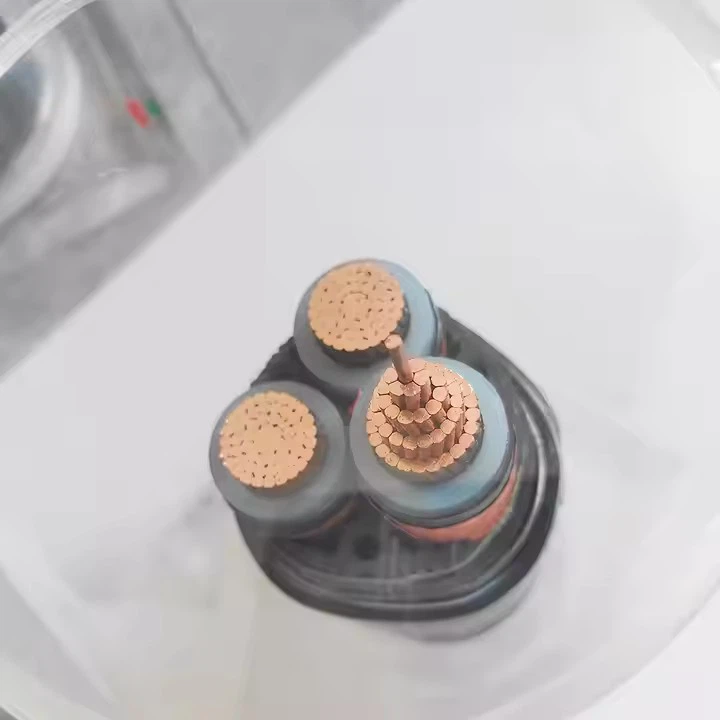
Before delving into the storage methods, it's important to have a basic understanding of SWA cables. SWA cables are designed with a layer of steel wire armour, which provides mechanical protection and makes them suitable for a wide range of applications, including underground and outdoor installations. They are commonly used in power distribution systems, industrial settings, and commercial buildings.
The steel wire armour not only protects the cable from physical damage but also provides additional strength and durability. However, this also means that SWA cables are relatively heavy and require proper handling and storage to prevent any issues.
Choose the Right Storage Location
The first step in storing SWA cables properly is to select an appropriate storage location. The ideal location should be dry, well - ventilated, and protected from extreme temperatures and direct sunlight.
- Dry Environment: Moisture is one of the biggest enemies of SWA cables. Water can cause corrosion of the steel wire armour and damage the insulation of the cable. Therefore, the storage area should be free from leaks and have a low humidity level. If possible, use a dehumidifier to maintain a relative humidity of less than 60%.
- Well - Ventilated: Good ventilation helps to prevent the build - up of heat and moisture. A poorly ventilated area can lead to the growth of mold and mildew, which can damage the cable's outer sheath. Ensure that there is adequate air circulation in the storage space.
- Temperature Control: Extreme temperatures can affect the performance of SWA cables. High temperatures can cause the insulation to degrade, while low temperatures can make the cable more brittle. The storage temperature should be maintained between 0°C and 40°C. Avoid storing cables in areas that are subject to rapid temperature changes.
- Protection from Sunlight: Direct sunlight can cause the outer sheath of the cable to deteriorate over time. UV rays can break down the polymers in the sheath, making it more susceptible to cracking and damage. Store the cables in a shaded area or use covers to protect them from sunlight.
Use Proper Storage Equipment
Once you have selected the right storage location, you need to use appropriate storage equipment to keep the SWA cables organized and protected.
- Cable Reels: Cable reels are the most common way to store SWA cables. They allow the cables to be wound neatly and prevent them from getting tangled. Make sure the reels are in good condition and can support the weight of the cable. Inspect the reels regularly for any signs of damage, such as cracks or loose spokes.
- Racks and Shelves: If you don't have enough space for cable reels, you can use racks and shelves to store the cables. Make sure the racks and shelves are sturdy and can hold the weight of the cables. Arrange the cables in an orderly manner to avoid any damage.
- Pallets: For large - scale storage, pallets can be used to stack the cable reels. This helps to keep the cables off the ground and prevents them from being damaged by moisture or pests. Make sure the pallets are clean and in good condition.
Handling During Storage
Proper handling of SWA cables during storage is also essential to prevent damage.
- Avoid Over - Bending: SWA cables have a minimum bending radius, which should be followed during storage and installation. Over - bending the cable can damage the internal conductors and the insulation. Refer to the manufacturer's specifications for the correct bending radius.
- Prevent Abrasion: When storing the cables, make sure they are not in contact with sharp objects or rough surfaces. Abrasion can damage the outer sheath of the cable and expose the steel wire armour to corrosion. Use padding or protective covers if necessary.
- Keep Cables Organized: Label the cable reels or bundles clearly to identify the type, size, and length of the cables. This makes it easier to locate the cables when needed and reduces the risk of misusing or damaging them.
Regular Inspection
Regular inspection of the stored SWA cables is crucial to detect any signs of damage or deterioration early.
- Visual Inspection: Conduct a visual inspection of the cables at least once a month. Look for any signs of cracks, cuts, or bulges in the outer sheath. Check the steel wire armour for corrosion or loose wires.
- Insulation Resistance Testing: Periodically test the insulation resistance of the cables to ensure that the insulation is in good condition. This can be done using an insulation resistance tester. If the insulation resistance is below the recommended level, the cable may need to be replaced.
Additional Considerations for Different Types of SWA Cables
There are different types of SWA cables available in the market, each with its own specific requirements for storage.
- Flexible Control Cable YY CY SY LiYCY: These cables are designed for flexible applications and may require more careful handling during storage. Make sure they are stored in a way that allows for easy access and movement without excessive bending.
- High Voltage Power Cable: High - voltage SWA cables are more sensitive to damage and require strict storage conditions. They should be stored in a dedicated area with proper grounding and protection from electrical interference.
- SWA Steel Wire Armoured Cable: General SWA cables follow the basic storage guidelines mentioned above. However, depending on the specific application and environment, additional precautions may be needed.
Conclusion
Proper storage of SWA cables is essential to ensure their quality and performance. By choosing the right storage location, using proper storage equipment, handling the cables carefully, and conducting regular inspections, you can extend the lifespan of the cables and reduce the risk of failures.
As a supplier of SWA cables, we are committed to providing high - quality products and professional advice on cable storage and installation. If you have any questions or need further information about our SWA cables, or if you are interested in purchasing our products, please feel free to contact us for a detailed discussion. We look forward to serving you and meeting your cable needs.

References
- Manufacturer's specifications for SWA cables
- Industry standards for cable storage and handling