

Troubleshooting a submersible power cable is a crucial skill for anyone involved in the operation and maintenance of submersible equipment. As a supplier of submersible power cables, I've encountered various issues and developed effective strategies to diagnose and resolve them. In this blog, I'll share some practical tips on how to troubleshoot a submersible power cable.
Understanding the Basics of Submersible Power Cables
Before diving into troubleshooting, it's essential to understand the basic components and functions of a submersible power cable. These cables are designed to carry electrical power to submersible pumps, motors, and other equipment that operate underwater. They are typically made of high - quality materials to withstand the harsh underwater environment, including water pressure, corrosion, and abrasion.
The main parts of a submersible power cable include the conductor, insulation, and outer sheath. The conductor is usually made of copper or aluminum, which provides a low - resistance path for the flow of electricity. The insulation material, such as PVC or rubber, prevents the leakage of electricity and protects the conductor from damage. The outer sheath provides additional protection against mechanical damage, chemicals, and water ingress.
Visual Inspection
The first step in troubleshooting a submersible power cable is a visual inspection. This can help you identify obvious signs of damage, such as cuts, abrasions, or bulges in the cable.
- Check the outer sheath: Look for any visible damage to the outer sheath. Cracks or cuts in the sheath can allow water to enter the cable, which can lead to short - circuits or corrosion of the conductor. If you find any damage, it's important to repair or replace the cable as soon as possible.
- Inspect the connectors: Examine the connectors at both ends of the cable. Loose, corroded, or damaged connectors can cause poor electrical contact, which can result in power loss or overheating. Make sure the connectors are tightly secured and free from corrosion. You can clean corroded connectors with a wire brush and apply a suitable anti - corrosion compound.
Electrical Testing
If the visual inspection doesn't reveal any obvious problems, the next step is to perform electrical tests on the cable.
- Continuity test: A continuity test checks if there is a complete electrical path through the cable. You can use a multimeter set to the continuity or resistance mode. Connect the multimeter probes to the two ends of the conductor. If the multimeter shows a low resistance (close to zero), it indicates that the conductor is continuous. A high or infinite resistance may indicate a break in the conductor.
- Insulation resistance test: This test measures the resistance of the insulation material. A low insulation resistance can indicate that the insulation is damaged and there is a risk of electrical leakage. To perform this test, use a megohmmeter. Connect the megohmmeter to the conductor and the outer sheath (or ground). A healthy cable should have a high insulation resistance, typically in the range of several megohms.
Water Ingress Detection
Water ingress is a common problem in submersible power cables, which can lead to serious electrical issues.
- Physical signs: Look for signs of water inside the cable, such as moisture or water droplets. You can also check the cable ends for any signs of water seepage.
- Electrical conductivity test: If you suspect water ingress, you can perform an electrical conductivity test. A cable with water inside will have a lower resistance than a dry cable. However, this test should be used in conjunction with other tests, as a low resistance can also be caused by other factors, such as a short - circuit.
Thermal Imaging
Thermal imaging can be a useful tool for troubleshooting submersible power cables. It can detect hot spots in the cable, which may indicate areas of high resistance or overheating. High - resistance areas can be caused by loose connections, damaged conductors, or insulation breakdown.
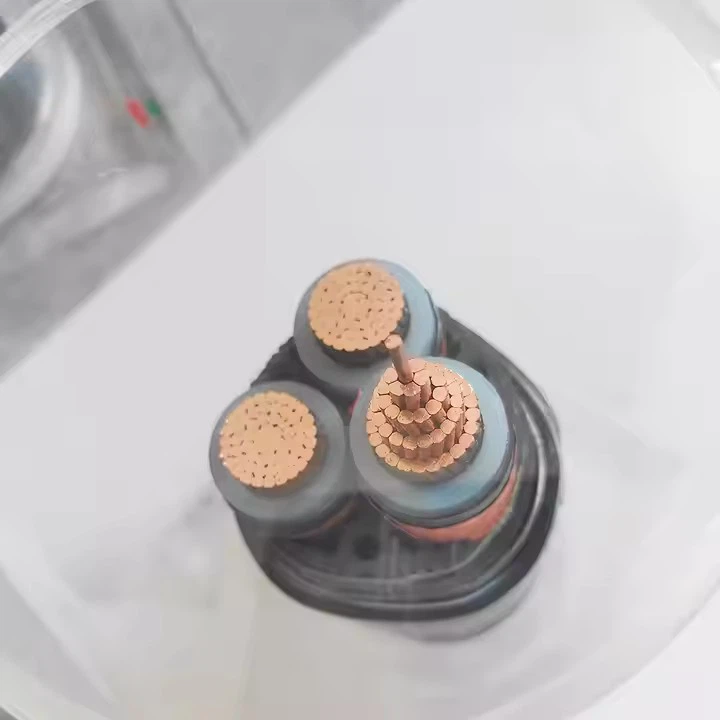
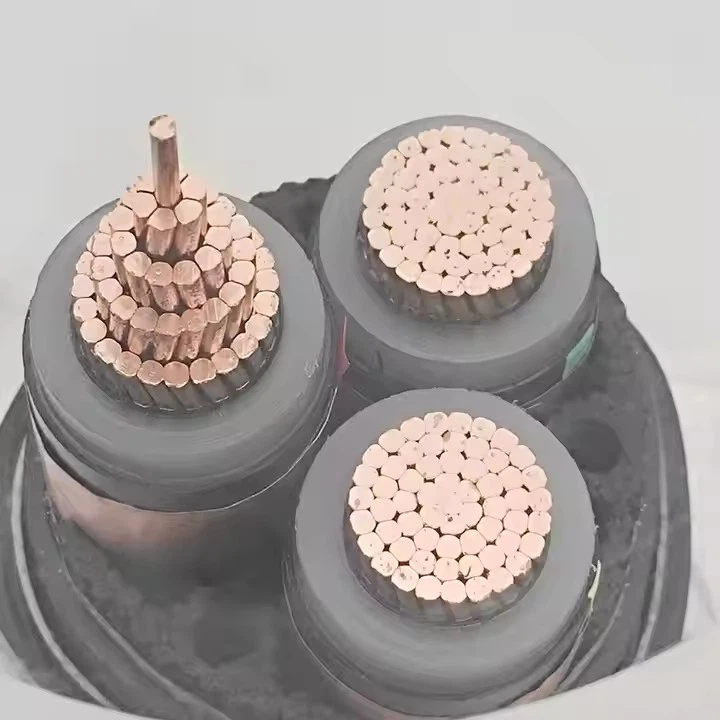
- Use a thermal imager: Point the thermal imager at the cable while it is in operation. Look for any areas that are significantly hotter than the surrounding areas. These hot spots should be investigated further to determine the cause of the problem.
Common Problems and Solutions
- Conductor damage: If the conductor is damaged, it may need to be repaired or replaced. Small breaks in the conductor can sometimes be repaired by splicing the damaged section. However, if the damage is extensive, it's usually better to replace the entire cable.
- Insulation breakdown: Insulation breakdown can be caused by aging, overheating, or physical damage. If the insulation is damaged, the cable should be replaced to prevent electrical hazards.
- Connector issues: Loose or corroded connectors can be tightened or cleaned. If the connectors are severely damaged, they should be replaced.
Preventive Maintenance
To minimize the need for troubleshooting, it's important to perform regular preventive maintenance on submersible power cables.
- Proper installation: Ensure that the cable is installed correctly, following the manufacturer's instructions. This includes proper routing, support, and protection of the cable.
- Regular inspections: Conduct regular visual inspections of the cable to detect any signs of damage early. Also, perform electrical tests periodically to monitor the condition of the cable.
- Environmental protection: Protect the cable from harsh environmental conditions, such as extreme temperatures, chemicals, and mechanical stress.
Related Products
If you are looking for high - quality power cables, we offer a wide range of products. Check out our Superflex Welding Cable Copper Tinned Copper, Battery Charger Cables Copper Inverter Wire with M8 Ring Terminal for Car Marine Solar Auto RV, and High Voltage Power Cable. These cables are designed to meet the highest standards of quality and performance.
Conclusion
Troubleshooting a submersible power cable requires a combination of visual inspection, electrical testing, and the use of appropriate tools. By following the steps outlined in this blog, you can effectively diagnose and resolve common problems with submersible power cables. Remember, regular preventive maintenance is key to ensuring the long - term reliability of your cables.
If you have any questions or need further assistance with submersible power cables, or if you are interested in purchasing our products, please feel free to contact us for procurement and negotiation.
References
- Electrical Installation Handbook, Schneider Electric
- Cable Engineering and Installation Manual, Prysmian Group