

Hey there! As a supplier of new energy cables, I often get asked about the maximum voltage a new energy cable can withstand. It's a super important question, especially in the ever - growing new energy industry. So, let's dive right into it!
Understanding Voltage in New Energy Cables
First off, what exactly is voltage? In simple terms, voltage is like the "push" that makes electric charges move through a cable. In the new energy sector, we're dealing with different types of energy sources, such as solar, wind, and hydro. Each of these sources has its own unique electrical characteristics, which means the cables used to transmit the electricity need to be able to handle specific voltage levels.
For solar energy systems, for example, the voltage can vary depending on the number of solar panels connected in series or parallel. A single solar panel might produce around 20 - 40 volts, but when you connect multiple panels together, the voltage can increase significantly. That's where our high - quality new energy cables come in.
Factors Affecting the Maximum Voltage
There are several factors that determine the maximum voltage a new energy cable can withstand.
Insulation Material
The insulation material is crucial. It acts as a barrier to prevent the electricity from leaking out of the cable. Different insulation materials have different dielectric strengths, which is a measure of how well they can withstand voltage without breaking down.

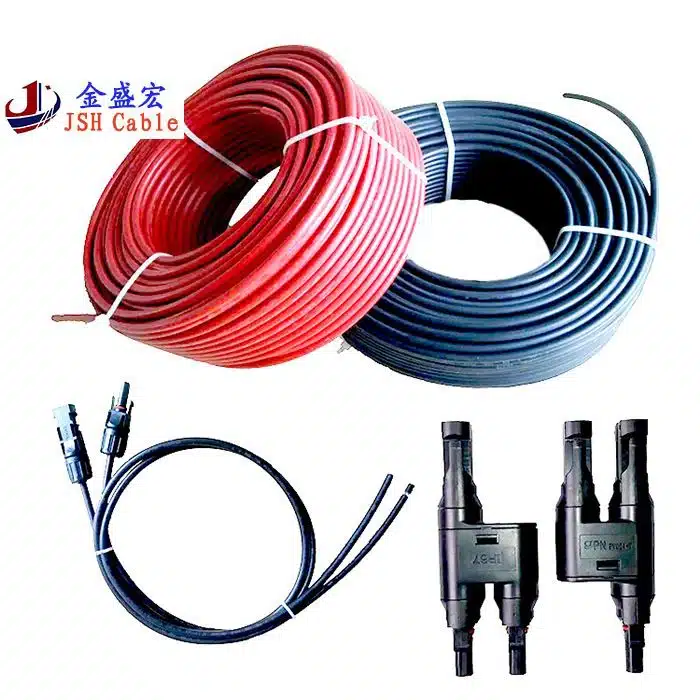
For instance, cross - linked polyethylene (XLPE) and cross - linked polyolefin (XLPO) are commonly used in new energy cables. These materials have excellent dielectric properties, allowing them to handle relatively high voltages. Our XLPE/XLPO Solar Wire PV1 - F Dc Solar PV Cable is a great example. It's designed with high - quality XLPE/XLPO insulation, which can withstand high - voltage applications in solar power systems.
Cable Size
The size of the cable, specifically its cross - sectional area, also plays a role. A larger cross - sectional area generally means lower resistance, which can handle higher currents and voltages more effectively. When the cable is too small for the voltage and current it's carrying, it can overheat, leading to insulation breakdown and potential safety hazards.
Environmental Conditions
The environment in which the cable is installed matters a lot. Extreme temperatures, humidity, and exposure to chemicals or UV radiation can all degrade the insulation over time, reducing the cable's ability to withstand voltage. For outdoor solar installations, cables need to be able to withstand long - term exposure to sunlight and various weather conditions. Our Dc Solar Pv Cable Solar Cable 4mm 6mm is designed to be UV - resistant and weatherproof, ensuring reliable performance in harsh outdoor environments.
Typical Voltage Ratings in New Energy Applications
In different new energy applications, there are typical voltage ratings for cables.
Solar Power Systems
In small - scale residential solar systems, the DC voltage from the solar panels might range from 100 - 600 volts. For larger commercial or utility - scale solar farms, the DC voltage can go up to 1500 volts. Our cables are designed to meet these different voltage requirements, whether it's for a small rooftop solar installation or a large - scale solar power plant.
Wind Power Systems
Wind turbines generate AC power, and the voltage can vary depending on the size and design of the turbine. Small wind turbines might produce voltages in the range of a few hundred volts, while large commercial wind turbines can generate voltages of several kilovolts. The cables used in wind power systems need to be able to handle these high - voltage AC currents safely and efficiently.
Hydroelectric Power Systems
Hydroelectric power plants also produce AC power, and the voltage levels can be quite high, especially in large - scale plants. Transmission cables in hydroelectric systems need to be designed to handle these high - voltage applications, often in the range of tens of kilovolts or even higher.
Testing and Certification
To ensure that our new energy cables can withstand the specified maximum voltage, we conduct rigorous testing. We test the cables for dielectric strength, insulation resistance, and other electrical properties. Our cables also meet various international standards and certifications, such as UL, TUV, and CE. These certifications give our customers the confidence that our cables are safe and reliable for use in new energy applications.
Choosing the Right Cable for Your Application
When it comes to choosing the right new energy cable for your project, it's important to consider the maximum voltage requirements, as well as other factors like cable size, insulation material, and environmental conditions. If you're not sure which cable is right for you, our team of experts is here to help. We can provide you with detailed technical information and guidance to ensure that you select the cable that best suits your needs.
Why Choose Our New Energy Cables?
As a new energy cable supplier, we're committed to providing high - quality products. Our cables are made from the best materials and are manufactured using the latest technology. We offer a wide range of cables for different new energy applications, from small - scale residential projects to large - scale commercial and utility - scale installations.
We also provide excellent customer service. Our team is always ready to answer your questions and help you with any issues you might have. Whether you need advice on cable selection, installation, or maintenance, we're here for you.
Let's Connect and Discuss Your Needs
If you're in the market for new energy cables, I encourage you to get in touch with us. We can discuss your specific project requirements, including the maximum voltage your cables need to withstand. Whether you're building a solar farm, a wind turbine, or a hydroelectric power plant, we have the right cable solutions for you. Let's work together to make your new energy project a success!
References
- Electrical Engineering Handbook, Third Edition
- Standards for New Energy Cable Design and Testing (UL, TUV, CE)