

Hey there! As a supplier of submersible oil pump cables, I've been getting a lot of questions lately about phase balance. So, I thought I'd take a moment to break it down and explain what it is, why it matters, and how it relates to our cables.

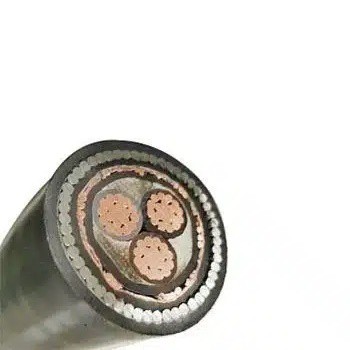
First off, let's talk about what phase balance actually means. In a nutshell, phase balance refers to the equal distribution of electrical current across all phases in a three-phase electrical system. In a perfect world, each phase would carry the same amount of current, resulting in a balanced system. However, in reality, this is rarely the case. There are a number of factors that can cause an imbalance, including uneven loading, faulty equipment, and poor wiring.
So, why does phase balance matter? Well, an unbalanced electrical system can cause a number of problems, including overheating, reduced efficiency, and premature equipment failure. In the case of submersible oil pump cables, an imbalance can put extra stress on the cables, leading to insulation breakdown and potential safety hazards. That's why it's so important to ensure that your electrical system is properly balanced.
At our company, we understand the importance of phase balance, and we're committed to providing our customers with high-quality submersible oil pump cables that are designed to handle the demands of a balanced electrical system. Our cables are made from the highest quality materials and are rigorously tested to ensure that they meet or exceed industry standards.
One of the key features of our submersible oil pump cables is their ability to handle high temperatures. Submersible oil pumps operate in some of the harshest environments imaginable, and they generate a lot of heat. That's why our cables are designed to withstand temperatures of up to [X] degrees Celsius, ensuring that they can perform reliably even in the most extreme conditions.
Another important feature of our cables is their flexibility. Submersible oil pumps are often installed in tight spaces, and they require cables that can bend and flex without breaking. Our cables are designed to be highly flexible, making them easy to install and maneuver in even the most challenging environments.
In addition to our standard submersible oil pump cables, we also offer a range of specialty cables to meet the specific needs of our customers. For example, we offer Mining Rubber Sheathed Cable, which is designed for use in mining applications. These cables are made from a special rubber compound that provides excellent resistance to abrasion, oil, and chemicals, making them ideal for use in harsh mining environments.
We also offer SWA Steel Wire Armoured Cable, which is designed for use in applications where extra protection is required. These cables are armored with a layer of steel wire, which provides excellent resistance to mechanical damage, making them ideal for use in underground and outdoor applications.
Finally, we offer Thermoplastic High Heat-resistant Nylon-coated Construction Line, which is designed for use in construction applications. These cables are coated with a layer of high heat-resistant nylon, which provides excellent resistance to abrasion, oil, and chemicals, making them ideal for use in harsh construction environments.
So, if you're in the market for high-quality submersible oil pump cables, look no further than our company. We have the experience, expertise, and products to meet your needs. Whether you're looking for standard cables or specialty cables, we have you covered.
If you have any questions or would like to learn more about our products, please don't hesitate to contact us. Our team of experts is always available to answer your questions and help you find the right cables for your application. We look forward to hearing from you and working with you to meet your electrical needs.
References:
- Electrical Installation Guide, International Electrotechnical Commission (IEC)
- National Electrical Code (NEC), National Fire Protection Association (NFPA)
- Handbook of Electrical Engineering, McGraw-Hill Education