

Can control cables be used in agricultural machinery?
Oct 20, 2025
Leave a message
Hey there! As a control cable supplier, I often get asked a bunch of questions about where our cables can be used. One question that's popped up more frequently lately is, "Can control cables be used in agricultural machinery?" Well, let's dive right into this topic and find out.
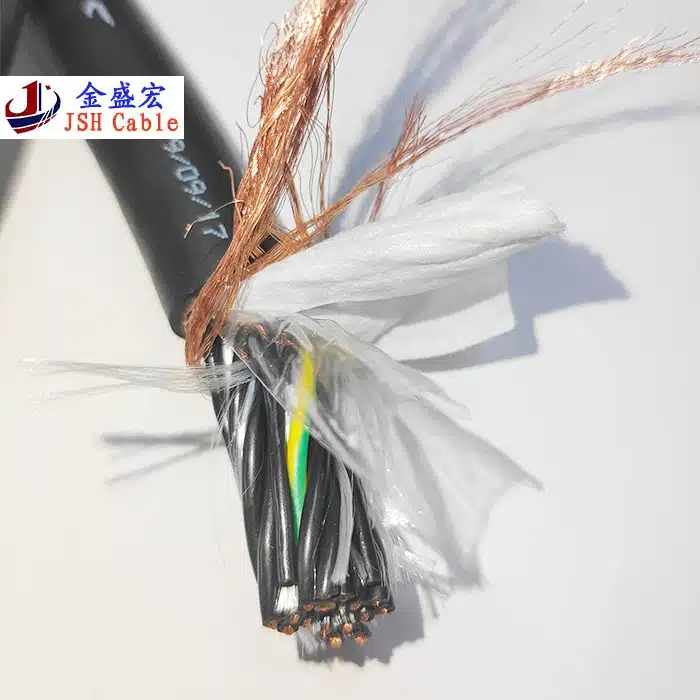
First off, let's understand what control cables are. Control cables are designed to transmit control signals in electrical systems. They're like the nervous system of a machine, carrying important information to different parts to make sure everything runs smoothly. These cables come in all shapes and sizes, with different insulation materials and conductor types, depending on the specific application.
Now, let's talk about agricultural machinery. It's a whole different ballgame compared to other industries. Agricultural equipment operates in some pretty harsh environments. You've got dust, dirt, moisture, extreme temperatures, and even exposure to chemicals like fertilizers and pesticides. So, for control cables to be used in agricultural machinery, they need to be tough as nails.
One of the key requirements for control cables in agricultural machinery is durability. The cables need to withstand constant vibrations, which are common in tractors, harvesters, and other equipment. Vibrations can cause the cables to wear out over time, leading to signal loss or even complete failure. That's why we offer cables with high - quality insulation and strong conductors. For example, our Cross Linked Polyethylene Insulated Aluminum Core Power Cable is a great option. The cross - linked polyethylene insulation provides excellent mechanical strength and resistance to abrasion, making it suitable for the rough and tumble of agricultural work.
Another factor is resistance to environmental factors. As I mentioned earlier, agricultural machinery is exposed to all sorts of elements. Moisture can cause corrosion in the conductors, while dust and dirt can get into the cable and damage the insulation. Our cables are designed to be resistant to these elements. We use special coatings and materials that can repel water and prevent dust from sticking. This ensures that the cables can continue to function properly even in the most challenging conditions.
Temperature is also a big deal. In the summer, agricultural areas can get extremely hot, and in the winter, it can be freezing cold. Control cables need to be able to handle these temperature fluctuations without losing their performance. Our cables are engineered to have a wide operating temperature range, so they can work just as well in the scorching heat as they do in the icy cold.
Flexibility is yet another important aspect. Many agricultural machines have moving parts, and the control cables need to be able to bend and flex without breaking. That's where our Flexible Drag Chain Cable comes in handy. It's specifically designed to be highly flexible, making it perfect for use in applications where the cable needs to move around a lot, like in robotic arms on some advanced agricultural equipment.
Now, let's talk about the benefits of using control cables in agricultural machinery. Firstly, they improve the efficiency of the equipment. By accurately transmitting control signals, the machinery can operate more precisely. For example, in a tractor with automated steering, the control cables ensure that the steering mechanism responds correctly to the control signals, leading to more accurate plowing or seeding.
Secondly, using high - quality control cables can reduce maintenance costs. Since our cables are durable and resistant to environmental factors, they're less likely to break down. This means less time spent on repairs and less money spent on replacing faulty cables.
In addition, control cables can enhance safety. In agricultural machinery, there are many electrical components that need to be controlled properly. If the control signals are not transmitted correctly, it could lead to dangerous situations. For example, a malfunction in the braking system of a harvester due to a faulty cable could cause an accident. By using reliable control cables, we can minimize these risks.
But how do you choose the right control cable for your agricultural machinery? Well, it depends on a few things. You need to consider the type of machinery, the operating environment, and the specific control requirements. If you're using a small, handheld agricultural device, you might need a thinner, more flexible cable. On the other hand, if you're dealing with a large, heavy - duty tractor, you'll need a thicker, more robust cable.

If you're still not sure which cable is right for you, don't worry. That's what we're here for. As a control cable supplier, we have a team of experts who can help you make the right choice. We can analyze your specific needs and recommend the best cable for your agricultural machinery.
In conclusion, control cables can definitely be used in agricultural machinery, and they offer a whole bunch of benefits. They're durable, resistant to environmental factors, flexible, and can improve the efficiency, reduce maintenance costs, and enhance safety of the equipment. If you're in the agricultural industry and looking for high - quality control cables, we'd love to hear from you. Whether you're a small - scale farmer or a large agricultural corporation, we have the right cable solutions for you.
If you're interested in learning more about our control cables or want to discuss your specific requirements, feel free to reach out. We're always happy to have a chat and help you find the perfect cable for your agricultural machinery. Let's work together to make your agricultural operations more efficient and reliable.
References
- General knowledge of control cable technology and agricultural machinery requirements.
- Product specifications and research on control cables suitable for harsh environments.
Send Inquiry