

Can rubber cables be used in automotive applications?
In the automotive industry, the selection of cables is a critical decision that impacts the performance, safety, and reliability of vehicles. As a rubber cable supplier, I often receive inquiries about the suitability of rubber cables for automotive applications. In this blog post, I will delve into the characteristics of rubber cables, their potential uses in the automotive field, and the factors to consider when making a choice.
Characteristics of Rubber Cables
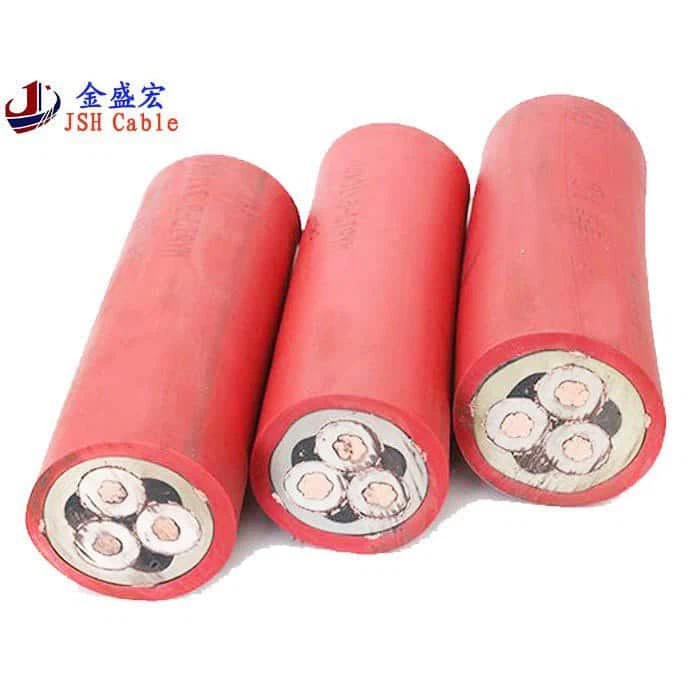
Rubber cables possess several unique properties that make them stand out in the world of electrical wiring. First and foremost, rubber is a highly flexible material. This flexibility allows rubber cables to be easily bent, twisted, and routed through the complex and confined spaces within a vehicle. Whether it's snaking through the engine compartment, along the chassis, or into the interior cabin, rubber cables can adapt to the tightest of spaces without compromising their integrity.
Another significant advantage of rubber cables is their excellent resistance to abrasion. In an automotive environment, cables are constantly subjected to rubbing against various components, such as metal frames, hoses, and other wires. The tough outer rubber sheath of these cables can withstand this abrasion, reducing the risk of damage to the inner conductors. This is crucial for maintaining the electrical connection and preventing short - circuits or electrical failures.
Rubber also offers good resistance to heat. Modern vehicles generate a significant amount of heat, especially in the engine area. Rubber cables can tolerate relatively high temperatures without losing their electrical properties or degrading. Additionally, rubber has inherent insulation properties, which help to prevent electrical leakage and ensure the safe transmission of electricity.

Potential Uses of Rubber Cables in Automotive Applications
Engine and Power Systems
In the engine compartment, rubber cables can be used for a variety of purposes. For example, they can be employed to connect the battery to the starter motor, alternator, and other electrical components. The flexibility of rubber cables allows for easy installation in the cramped engine space, and their heat resistance ensures that they can withstand the high temperatures generated by the engine.
Moreover, rubber cables can be used for high - voltage applications in hybrid and electric vehicles. These vehicles require cables that can handle large amounts of electrical power safely. The insulation properties of rubber make it a suitable choice for such high - voltage systems, protecting against electrical shocks and short - circuits.
Lighting and Interior Systems
Rubber cables are also well - suited for automotive lighting systems. They can be used to connect headlights, taillights, interior lights, and other lighting fixtures. The flexibility of the cables allows for easy routing around the vehicle's body and interior components. Additionally, the abrasion resistance ensures that the cables remain intact even if they come into contact with the vehicle's interior trim or other objects.
In the interior of the vehicle, rubber cables can be used for powering electronic devices such as radios, navigation systems, and seat heaters. Their insulation properties help to prevent interference with other electronic components, ensuring a stable and reliable electrical supply.
Factors to Consider When Using Rubber Cables in Automotive Applications
Temperature Range
While rubber cables have good heat resistance, it is essential to consider the specific temperature range of the automotive application. Different types of rubber have different temperature ratings. For example, in extremely hot climates or high - performance vehicles with high - temperature engine compartments, a rubber cable with a higher temperature rating may be required. On the other hand, in colder climates, the rubber should remain flexible at low temperatures to avoid cracking.
Chemical Resistance
Automotive environments are often exposed to various chemicals, such as gasoline, oil, coolant, and cleaning agents. Rubber cables need to have good chemical resistance to prevent degradation when in contact with these substances. Some types of rubber are more resistant to certain chemicals than others, so it is important to choose the right type of rubber cable based on the specific chemical exposure in the vehicle.
Electrical Requirements
The electrical requirements of the automotive application, such as voltage, current, and frequency, must be carefully considered. Rubber cables come in different sizes and specifications to meet various electrical needs. Using a cable with the wrong electrical rating can lead to overheating, electrical failures, or even safety hazards.
Our Product Offerings
As a rubber cable supplier, we offer a wide range of products that are suitable for automotive applications. For example, our Mobile Rubber Flexible Cable for Coal Mines is known for its high flexibility and durability. Although it is primarily designed for coal mine applications, its properties also make it a potential candidate for automotive use, especially in areas where flexibility and abrasion resistance are crucial.
Our Coal Mine Cables are another option. These cables are built to withstand harsh environments, which share some similarities with the automotive environment in terms of mechanical stress and potential chemical exposure.
We also have Flexible Rubber Welding Cable 450V 750V, which can be used for various electrical connections in vehicles. Its flexibility and electrical performance make it a versatile choice for different automotive systems.
Conclusion
In conclusion, rubber cables can indeed be used in automotive applications. Their flexibility, abrasion resistance, heat resistance, and insulation properties make them suitable for a wide range of uses in vehicles, from engine and power systems to lighting and interior electronics. However, when considering using rubber cables in automotive applications, it is essential to take into account factors such as temperature range, chemical resistance, and electrical requirements.
If you are interested in exploring the use of rubber cables for your automotive projects, we would be more than happy to assist you. Our team of experts can help you select the right type of rubber cable based on your specific needs. Contact us to start a procurement discussion and find the best cable solutions for your automotive applications.
References
- "Electrical Wiring in Automotive Applications" - Automotive Engineering Handbook
- "Properties and Applications of Rubber Materials" - Journal of Materials Science