

Can self - regulating heating cables be used in boats?
Oct 15, 2025
Leave a message
Can self - regulating heating cables be used in boats?
As a supplier of self - regulating heating cables, I often get asked whether these cables can be used in boats. This is a valid question considering the unique environment that boats present. In this blog, I'll explore the feasibility, benefits, and considerations of using self - regulating heating cables in boats.
Feasibility of Using Self - Regulating Heating Cables in Boats
Self - regulating heating cables are designed to adjust their heat output based on the surrounding temperature. This feature makes them highly adaptable to different conditions, including the variable temperatures experienced on boats. Whether it's a cold winter night on a lake or a cool evening at sea, these cables can maintain a consistent and appropriate level of heat.
The marine environment is known for its harsh conditions, including high humidity, saltwater exposure, and potential mechanical stress. Self - regulating heating cables are typically constructed with materials that can withstand these challenges. Many are made with water - resistant and corrosion - resistant outer sheaths, which protect the internal heating elements from damage caused by moisture and salt.
Moreover, these cables can be installed in various areas of a boat. They can be used to prevent water pipes from freezing, which is crucial for maintaining the boat's plumbing system during cold weather. They can also be installed in cabins to provide additional warmth, making the living spaces more comfortable for passengers.
Benefits of Using Self - Regulating Heating Cables in Boats
One of the primary benefits of self - regulating heating cables is energy efficiency. Unlike traditional heating systems that operate at a constant power level, self - regulating cables reduce their power consumption as the temperature rises. This means that they only use the amount of energy necessary to maintain the desired temperature, resulting in lower energy costs over time.
Another advantage is safety. Self - regulating heating cables have built - in temperature control mechanisms that prevent overheating. This reduces the risk of fire hazards, which is especially important in the confined spaces of a boat. Additionally, the even distribution of heat helps to prevent hot spots, which can damage the cable or surrounding materials.
In terms of convenience, these cables are relatively easy to install. They can be cut to the desired length and installed in a variety of configurations, depending on the specific heating needs of the boat. This flexibility allows for customized heating solutions that can be tailored to different boat designs and layouts.
Considerations When Using Self - Regulating Heating Cables in Boats
While self - regulating heating cables offer many benefits, there are also some considerations to keep in mind when using them in boats. Firstly, it's important to choose the right type of cable for the specific application. For example, if the cable is going to be exposed to saltwater, it should have a high - quality, corrosion - resistant outer sheath.
Proper installation is also crucial. The cable should be installed in accordance with the manufacturer's instructions to ensure optimal performance and safety. It's recommended to have a professional electrician or marine technician install the cable, especially if you're not familiar with electrical systems.
Regular maintenance is another important aspect. The cable should be inspected periodically for any signs of damage, such as cuts or abrasions in the outer sheath. If any damage is detected, the cable should be repaired or replaced immediately to prevent further problems.
Other Related Products and Their Applications
In addition to self - regulating heating cables, there are other types of cables that may be useful in a boat. For example, Mining Rubber Sheathed Cable is known for its durability and flexibility. Although it's primarily designed for mining applications, its robust construction makes it suitable for use in boats where it may be exposed to rough handling or harsh conditions.
1mm 1.5mm 2.5mm 4mm 300/500V Multi Core Copper Electrical Cable is a versatile option for various electrical connections on a boat. It can be used for powering lights, appliances, and other electrical devices. The multi - core design allows for multiple circuits to be run through a single cable, which can simplify the wiring process.
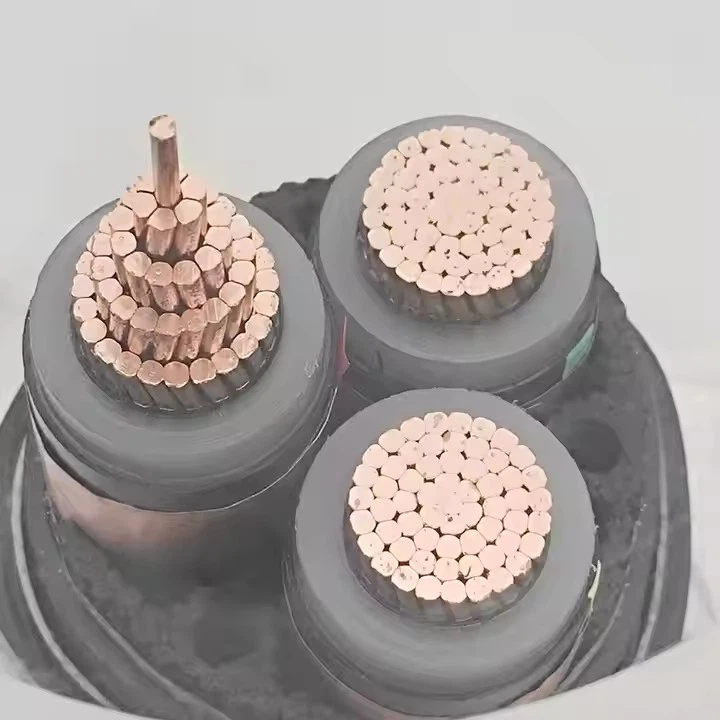
High Voltage Power Cable may be required for boats with larger electrical systems or those that use high - power equipment. These cables are designed to handle high voltages safely and efficiently, ensuring reliable power distribution throughout the boat.
Conclusion and Call to Action
In conclusion, self - regulating heating cables can be a great addition to boats. They offer energy efficiency, safety, and convenience, and can be used in a variety of applications to improve the comfort and functionality of the boat. However, it's important to choose the right cable, install it properly, and perform regular maintenance to ensure its long - term performance.

If you're interested in purchasing self - regulating heating cables or any of our other cable products for your boat, we'd love to hear from you. Our team of experts can help you select the right products for your specific needs and provide guidance on installation and maintenance. Contact us today to start a discussion about your boat's heating and electrical requirements.
References
- "Marine Electrical Systems Handbook" by John K. Tetzlaff
- Manufacturer's specifications for self - regulating heating cables
- Industry standards for marine electrical installations
Send Inquiry