

What is the difference between self - regulating and self - limiting heating cables?
Dec 25, 2025
Leave a message
Hey there! As a supplier of self-regulating heating cables, I often get asked about the difference between self-regulating and self-limiting heating cables. It's a topic that can be a bit confusing, but I'm here to break it down for you in a simple and easy-to-understand way.
What are Self-Regulating Heating Cables?
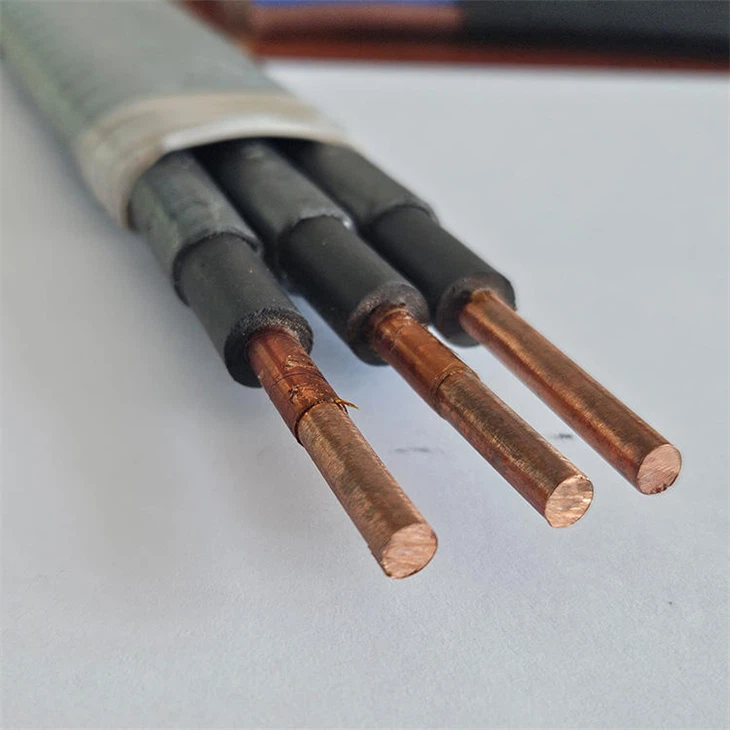
Self-regulating heating cables are pretty nifty pieces of tech. They're designed to adjust their heat output based on the surrounding temperature. How cool is that? When it's colder outside, these cables produce more heat to keep things warm. And as the temperature rises, they automatically reduce the heat output. This is all thanks to the special conductive polymer inside the cable.
Let's say you've got a water pipe that you want to prevent from freezing. You install a self-regulating heating cable around it. On a really cold winter night, the cable senses the low temperature and ramps up the heat production. That way, the water in the pipe stays at a safe temperature and doesn't freeze. But on a milder day, the cable doesn't waste energy by overheating. It just provides enough heat to maintain a stable temperature.
One of the big advantages of self-regulating heating cables is energy efficiency. Since they only use as much power as needed, you can save a lot on your energy bills in the long run. They're also safer to use because they're less likely to overheat, which reduces the risk of fire hazards.
What are Self-Limiting Heating Cables?
Now, let's talk about self-limiting heating cables. At first glance, they might seem similar to self-regulating ones, but there are some key differences. Self-limiting heating cables have a built-in mechanism that limits the maximum temperature they can reach. Once they hit this set temperature, they stop producing heat.
These cables are often used in applications where you need to prevent overheating, like in some industrial processes. For example, if you're using a heating cable to keep a chemical tank at a certain temperature, you don't want it to get too hot because it could damage the chemicals or the tank itself. A self-limiting heating cable ensures that the temperature stays within a safe range.
However, self-limiting heating cables don't adjust their heat output based on the surrounding temperature the way self-regulating cables do. They have a fixed wattage output, and they'll keep producing that amount of heat until they reach their maximum temperature limit. So, in colder conditions, they might not be as effective at maintaining a consistent temperature as self-regulating cables.
Key Differences
Temperature Control
The biggest difference between the two types of cables is how they control temperature. Self-regulating cables continuously adjust their heat output based on the environment, while self-limiting cables have a pre-set maximum temperature. This means that self-regulating cables can provide more precise temperature control in a wider range of conditions.
Energy Efficiency
As I mentioned earlier, self-regulating heating cables are more energy-efficient. They only use the power they need, so you're not wasting electricity on unnecessary heat production. Self-limiting cables, on the other hand, have a fixed wattage output, which means they might use more energy than necessary in certain situations.

Installation and Use
Self-regulating heating cables are generally easier to install and use. You can cut them to the desired length without affecting their performance, and they can be overlapped without the risk of overheating. Self-limiting cables are a bit more finicky. You need to be careful when cutting them to length, and overlapping them can cause problems because it can lead to overheating.
Cost
In terms of cost, self-regulating heating cables are usually more expensive upfront. But when you consider the long-term energy savings and the lower risk of maintenance and replacement, they can actually be a more cost-effective option. Self-limiting cables are cheaper to buy initially, but they might end up costing you more in the long run due to higher energy consumption.
Applications
Both self-regulating and self-limiting heating cables have their own unique applications.
Self-regulating heating cables are great for a variety of residential and commercial uses. They're commonly used for freeze protection in water pipes, snow and ice melting on driveways and sidewalks, and maintaining the temperature of tanks and vessels. They're also used in some industrial processes where precise temperature control is required.
Self-limiting heating cables are often used in industrial applications where preventing overheating is crucial. They can be found in chemical processing plants, oil and gas refineries, and food processing facilities. They're also used in some electrical equipment to prevent overheating.
Related Products
If you're interested in other types of cables, we also offer some great products. Check out our EPDM Insulated Submersible Pump Cable, which is designed for use in submersible pumps. It's durable and reliable, ensuring a long service life. We also have the 1/0 Aluminum Cable, which is perfect for applications that require high conductivity and flexibility. And our Flexible Drag Chain Robot Cable is ideal for use in robotic systems, providing reliable power and signal transmission.
Why Choose Self-Regulating Heating Cables?
As a supplier of self-regulating heating cables, I can tell you that they offer many benefits. They're energy-efficient, safe, and easy to install. They can also provide precise temperature control, which is essential in many applications. Whether you're looking to prevent frozen pipes in your home or maintain the temperature of a large industrial tank, self-regulating heating cables are a great choice.
Let's Talk!
If you're interested in learning more about self-regulating heating cables or have any questions about our products, I'd love to hear from you. We can discuss your specific needs and find the best solution for you. Whether it's for a small residential project or a large industrial application, we've got the expertise and the products to meet your requirements. So, don't hesitate to reach out and start a conversation about your heating cable needs.
References
- "Heating Cable Technology Handbook" - A comprehensive guide to heating cable technology and applications.
- "Energy Efficiency in Heating Systems" - Research on the energy efficiency of different heating cable types.
- "Safety Standards for Heating Cables" - Information on the safety standards and regulations for heating cables.
Send Inquiry