

What is the insulation material of swa cables?
Jan 08, 2026
Leave a message
Hey there! As a supplier of SWA (Steel Wire Armoured) cables, I often get asked about the insulation materials used in these cables. So, I thought I'd write a blog post to share some insights on this topic.
Let's start with the basics. SWA cables are commonly used in electrical installations where there's a need for protection against mechanical damage. They're tough, reliable, and can handle a fair amount of wear and tear. But what's inside these cables that keeps the electricity flowing safely? That's where the insulation material comes in.
PVC (Polyvinyl Chloride)
One of the most widely used insulation materials for SWA cables is PVC. PVC is a synthetic plastic polymer that's known for its flexibility, durability, and affordability. It's easy to work with, which makes it a popular choice for cable manufacturers.
PVC insulation provides good electrical insulation properties, which means it helps prevent electrical current from leaking out of the cable. It also has a decent level of resistance to moisture, chemicals, and abrasion. This makes it suitable for a variety of applications, including indoor and outdoor installations.
However, PVC does have some limitations. It has a relatively low temperature rating compared to some other insulation materials. This means that it may not be suitable for use in high-temperature environments. Also, when burned, PVC can release toxic fumes, which is a concern in some applications.
XLPE (Cross-Linked Polyethylene)
Another common insulation material for SWA cables is XLPE. XLPE is a type of polyethylene that has been chemically or physically cross-linked to improve its properties. This cross-linking process gives XLPE several advantages over regular polyethylene.
XLPE has excellent electrical insulation properties, even at high voltages. It also has a high temperature rating, which means it can withstand higher temperatures without degrading. This makes it suitable for use in high-temperature applications, such as power transmission and distribution.
In addition to its electrical and thermal properties, XLPE is also resistant to moisture, chemicals, and abrasion. It's a tough and durable material that can withstand the rigors of outdoor and industrial environments.
One of the drawbacks of XLPE is that it's more expensive than PVC. However, the benefits it offers in terms of performance and reliability often justify the higher cost, especially in critical applications.
EPR (Ethylene Propylene Rubber)
EPR is a synthetic rubber material that's also used as an insulation material for SWA cables. EPR has excellent electrical insulation properties, similar to XLPE. It also has a high degree of flexibility, which makes it easy to install in tight spaces.
One of the key advantages of EPR is its resistance to ozone and weathering. This makes it suitable for use in outdoor applications, where the cable may be exposed to sunlight, rain, and other environmental factors. EPR is also resistant to chemicals and has good flame-retardant properties.
Like XLPE, EPR has a relatively high temperature rating, which means it can handle higher temperatures compared to PVC. However, it's also more expensive than PVC, which may be a consideration in some cost-sensitive applications.
Choosing the Right Insulation Material
So, how do you choose the right insulation material for your SWA cables? Well, it depends on several factors, including the application, the environment, and the budget.
If you're looking for a cost-effective solution for indoor or low-temperature outdoor applications, PVC may be a good choice. It's widely available, easy to work with, and offers decent performance.
On the other hand, if you need a cable that can handle high temperatures, high voltages, or harsh environmental conditions, XLPE or EPR may be more suitable. These materials offer better performance and reliability, but they come at a higher cost.
It's also important to consider the specific requirements of your application. For example, if you're using the cable in a hazardous area, you may need to choose an insulation material that has flame-retardant properties. If the cable will be exposed to chemicals or solvents, you'll need a material that's resistant to these substances.
Our Product Range
As a supplier of SWA cables, we offer a wide range of products with different insulation materials to meet the needs of our customers. Whether you need PVC-insulated cables for a simple indoor installation or XLPE-insulated cables for a high-voltage power transmission project, we've got you covered.
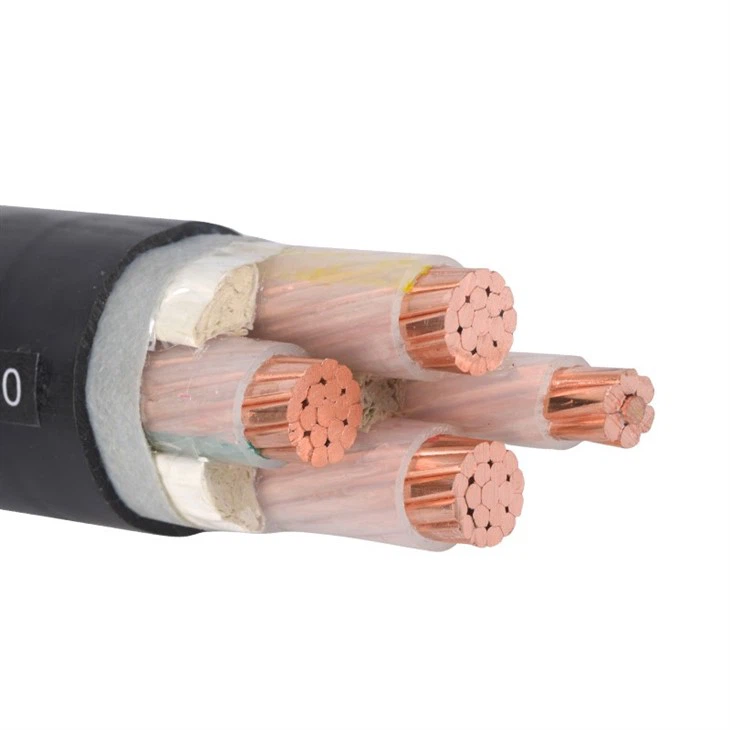

We also offer other types of cables, such as Self-regulating Heating Cable, YJV YJV22 YJV32 Low Voltage Copper, and Mining Rubber Sheathed Cable. These cables are designed for specific applications and offer high performance and reliability.
Contact Us for Procurement
If you're in the market for SWA cables or any other type of power cable, we'd love to hear from you. Our team of experts can help you choose the right cable for your application and provide you with a competitive quote.
Whether you're a contractor, an electrician, or a business owner, we can offer you the products and services you need to get the job done. So, don't hesitate to reach out to us and start a conversation about your cable requirements.
References
- Electrical Wiring Handbook
- Cable Engineering and Installation Guide
That's all for now. I hope this blog post has given you a better understanding of the insulation materials used in SWA cables. If you have any questions or comments, feel free to leave them below. Thanks for reading!
Send Inquiry