

What is the shielding effectiveness of a rubber cable?
As a seasoned rubber cable supplier, I've encountered numerous inquiries regarding the shielding effectiveness of rubber cables. This is a crucial aspect, especially in industries where electromagnetic interference (EMI) and radio frequency interference (RFI) can disrupt operations. In this blog, I'll delve into the concept of shielding effectiveness, its significance in rubber cables, and how it impacts various applications.
Understanding Shielding Effectiveness
Shielding effectiveness refers to the ability of a cable's shielding layer to reduce the amount of electromagnetic radiation that can penetrate or escape from the cable. It is typically measured in decibels (dB) and is a quantitative measure of how well the shield blocks unwanted electromagnetic fields. A higher shielding effectiveness value indicates better protection against EMI and RFI.
The shielding layer in a rubber cable is usually made of conductive materials such as copper, aluminum, or a combination of both. These materials act as a barrier, reflecting and absorbing electromagnetic waves, thus preventing them from interfering with the signals carried by the cable or from being emitted into the surrounding environment.
Significance of Shielding Effectiveness in Rubber Cables
In many industrial and commercial applications, the presence of EMI and RFI can cause significant problems. For example, in a manufacturing plant, electromagnetic interference can disrupt the operation of sensitive electronic equipment, leading to errors, malfunctions, and even production downtime. In a telecommunications network, RFI can degrade the quality of the signal, resulting in poor call quality, data loss, and reduced network performance.
Rubber cables with high shielding effectiveness are essential in these environments to ensure reliable and uninterrupted operation. They provide a protective shield around the conductors, preventing external electromagnetic fields from interfering with the signals and also preventing the cable from radiating electromagnetic energy that could interfere with other equipment.
Factors Affecting Shielding Effectiveness
Several factors can affect the shielding effectiveness of a rubber cable. These include:
- Shielding Material: The type of material used for the shielding layer plays a significant role in determining the shielding effectiveness. Copper and aluminum are commonly used due to their high conductivity, which allows them to effectively reflect and absorb electromagnetic waves.
- Shielding Thickness: The thickness of the shielding layer also affects its effectiveness. A thicker shield generally provides better protection against EMI and RFI, but it can also increase the cost and weight of the cable.
- Shielding Design: The design of the shielding layer, such as the type of braid or foil used, can also impact the shielding effectiveness. A well-designed shield will provide better coverage and reduce the likelihood of electromagnetic leakage.
- Frequency Range: The shielding effectiveness of a cable can vary depending on the frequency of the electromagnetic waves. Different shielding materials and designs are more effective at different frequencies, so it's important to choose a cable that is suitable for the specific frequency range of the application.
Applications of Rubber Cables with High Shielding Effectiveness
Rubber cables with high shielding effectiveness are used in a wide range of applications, including:
- Industrial Automation: In industrial automation systems, rubber cables are used to connect sensors, actuators, and other control devices. High shielding effectiveness is essential to ensure reliable operation in the presence of electromagnetic interference.
- Telecommunications: In telecommunications networks, rubber cables are used to transmit voice and data signals. Shielded cables are required to prevent RFI from degrading the quality of the signal.
- Medical Equipment: In medical equipment, such as MRI machines and patient monitoring systems, rubber cables are used to connect various components. High shielding effectiveness is necessary to ensure accurate and reliable operation in a sensitive environment.
- Marine and Offshore Applications: In marine and offshore applications, rubber cables are exposed to harsh environmental conditions, including saltwater, humidity, and electromagnetic interference. High shielding effectiveness is essential to ensure the durability and reliability of the cables in these environments.
Our Range of Rubber Cables with High Shielding Effectiveness
As a leading rubber cable supplier, we offer a wide range of rubber cables with high shielding effectiveness to meet the needs of various industries. Our cables are designed and manufactured using the latest technology and high-quality materials to ensure reliable and long-lasting performance.
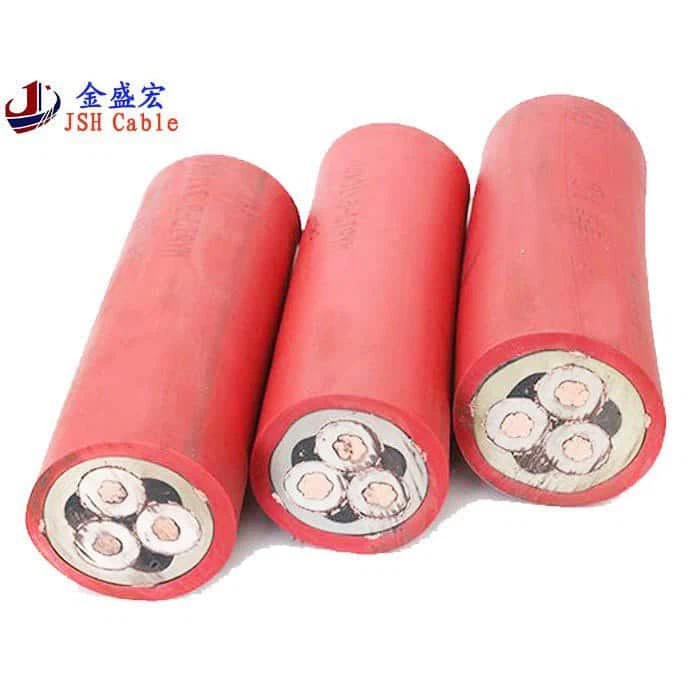

Some of our popular products include:
- Mobile Rubber Flexible Cable for Coal Mines: These cables are specifically designed for use in coal mines, where they are exposed to harsh environmental conditions and electromagnetic interference. They feature a high-quality rubber insulation and a braided copper shield to provide excellent shielding effectiveness.
- Coal Mine Cables: Our coal mine cables are designed to meet the strict safety and performance requirements of the mining industry. They are available in a variety of sizes and configurations, with different levels of shielding effectiveness to suit the specific needs of the application.
- Marine Electrical Submersible Rubber Cable: These cables are designed for use in marine and offshore applications, where they are exposed to saltwater, humidity, and electromagnetic interference. They feature a high-quality rubber insulation and a double-layered shield to provide excellent protection against corrosion and electromagnetic interference.
Conclusion
In conclusion, the shielding effectiveness of a rubber cable is a crucial factor to consider when choosing a cable for an application where electromagnetic interference and radio frequency interference are a concern. By understanding the concept of shielding effectiveness, its significance, and the factors that affect it, you can make an informed decision when selecting a rubber cable for your specific needs.
If you have any questions or need further information about our range of rubber cables with high shielding effectiveness, please don't hesitate to contact us. We'll be happy to assist you in finding the right cable for your application and provide you with a competitive quote.
References
- Electromagnetic Compatibility Engineering by Henry W. Ott
- Handbook of Electromagnetic Compatibility by Clayton R. Paul
- Electromagnetic Interference and Compatibility by Simon Ramo, John R. Whinnery, and Theodore Van Duzer