

Ozone, a highly reactive gas composed of three oxygen atoms, is a common environmental factor that can cause significant damage to various materials, including RVVP shielded cables. As a trusted supplier of RVVP Shielded Cable, I understand the importance of protecting these cables from ozone damage to ensure their long - term performance and reliability. In this blog, I will share some effective strategies to safeguard RVVP shielded cables from ozone.
Understanding Ozone Damage to RVVP Shielded Cables
Before delving into protection methods, it's crucial to understand how ozone affects RVVP shielded cables. Ozone reacts with the polymers used in cable insulation and sheathing materials. When ozone comes into contact with these polymers, it causes chain scission, which breaks the long - chain polymer molecules into shorter fragments. This leads to a loss of mechanical properties such as flexibility, tensile strength, and elongation at break. As a result, the cable insulation and sheathing become brittle, crack, and eventually fail, exposing the conductors and compromising the cable's electrical performance.
Factors Influencing Ozone Damage
Several factors influence the extent of ozone damage to RVVP shielded cables. Ozone concentration is a primary factor; higher concentrations of ozone in the environment accelerate the degradation process. Temperature also plays a role, as higher temperatures generally increase the reaction rate between ozone and cable materials. Additionally, mechanical stress on the cables, such as bending, vibration, or tension, can exacerbate ozone damage by creating micro - cracks in the cable insulation and sheathing, providing more surface area for ozone to react with.
Protective Strategies
Material Selection
One of the most effective ways to protect RVVP shielded cables from ozone damage is to choose ozone - resistant materials for insulation and sheathing. Some polymers, such as ethylene - propylene rubber (EPR), chlorosulfonated polyethylene (CSPE), and neoprene, have excellent ozone resistance. These materials form a stable chemical structure that is less reactive with ozone, reducing the likelihood of degradation. When selecting cables, look for those with insulation and sheathing made from these ozone - resistant polymers. For example, our RVVP Shielded Cable can be customized with ozone - resistant materials to meet the specific requirements of different environments.
Cable Design
Proper cable design can also enhance ozone protection. A thicker insulation and sheathing layer can provide an additional barrier against ozone penetration. Additionally, the use of multiple layers of insulation and sheathing can further improve the cable's resistance to ozone damage. For instance, a cable with an outer layer of ozone - resistant material and an inner layer for electrical insulation can offer better protection than a single - layer cable. Moreover, the shielding design in RVVP cables should be optimized to prevent ozone from reaching the inner conductors, as damage to the conductors can lead to electrical failures.
Environmental Control
Controlling the cable's environment is another important strategy. Minimizing the cable's exposure to high - ozone environments is ideal. If possible, install cables in enclosed spaces where ozone levels are lower, such as inside buildings or cable trays. Air - conditioning and ventilation systems can be used to maintain a clean and ozone - free environment around the cables. In industrial settings, where ozone may be generated as a by - product of certain processes, proper exhaust systems should be in place to remove ozone from the area.
Chemical Additives
Chemical additives can be incorporated into the cable insulation and sheathing materials to enhance their ozone resistance. Antioxidants and antiozonants are commonly used additives. Antioxidants prevent the oxidation of the polymer materials, which can be accelerated by ozone. Antiozonants, on the other hand, react with ozone before it can react with the polymer, effectively protecting the cable materials. These additives can significantly extend the service life of RVVP shielded cables in ozone - rich environments.
Regular Inspection and Maintenance
Regular inspection and maintenance are essential for detecting early signs of ozone damage. Inspect cables periodically for cracks, brittleness, or other signs of degradation. If any damage is detected, the affected cables should be replaced promptly to prevent further deterioration and potential electrical failures. Maintenance also includes keeping the cables clean and free from debris, as dirt and contaminants can trap ozone and accelerate the damage process.
Case Studies
To illustrate the effectiveness of these protective strategies, let's look at some real - world examples. In a chemical manufacturing plant, where ozone is generated as a by - product of the production process, RVVP shielded cables with ozone - resistant sheathing made of neoprene were installed. After several years of operation, these cables showed minimal signs of ozone damage, while cables in other areas of the plant without proper protection had significant cracking and degradation.
In another case, a data center used environmental control measures such as air - conditioning and ventilation to maintain a low - ozone environment around the RVVP shielded cables. This, combined with regular inspections, ensured that the cables remained in good condition over an extended period, minimizing the risk of electrical failures and downtime.
Related Products
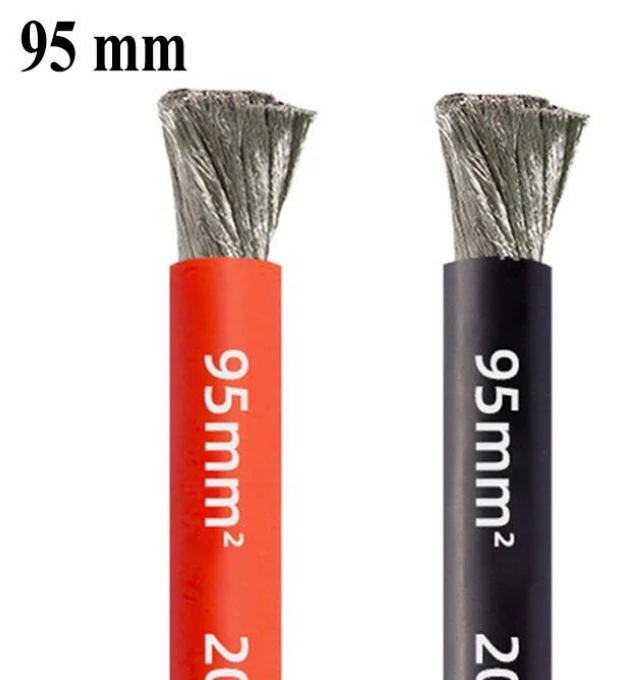
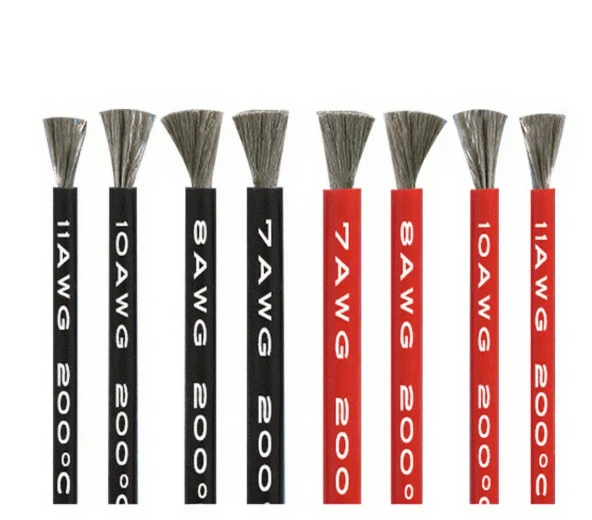
In addition to RVVP shielded cables, we also offer other high - quality cable products suitable for various applications. Our High Temperature Silicone Wire 200C is designed to withstand high temperatures, making it ideal for applications where heat resistance is required. For the emerging new energy electric vehicle industry, our High Voltage Flexible Cables for New Energy Electric Vehicles provide reliable power transmission with excellent flexibility and safety features.
Conclusion
Protecting RVVP shielded cables from ozone damage is crucial for ensuring their long - term performance and reliability. By selecting ozone - resistant materials, optimizing cable design, controlling the environment, using chemical additives, and conducting regular inspections and maintenance, the impact of ozone on these cables can be minimized. As a leading supplier of RVVP Shielded Cable, we are committed to providing high - quality products and solutions to meet the diverse needs of our customers. If you are interested in learning more about our products or need assistance in protecting your cables from ozone damage, please feel free to contact us for procurement and further discussions.
References
- Davis, J. M. (2015). Polymer Degradation and Stability. Elsevier.
- Brown, R. A. (2018). Electrical Power Cable Engineering. CRC Press.
- ASTM International. (2020). Standard Test Methods for Rubber Deterioration - Surface Cracking in an Ozone - Containing Atmosphere.