

Can copper core power cables be used in industrial automation systems?
Nov 10, 2025
Leave a message
In the realm of industrial automation systems, the choice of power cables is a critical decision that can significantly impact the performance, reliability, and safety of the entire setup. As a supplier of copper core power cables, I am often asked whether these cables are suitable for use in industrial automation. In this blog post, I will delve into the properties of copper core power cables, their advantages and limitations, and explore their viability in industrial automation systems.

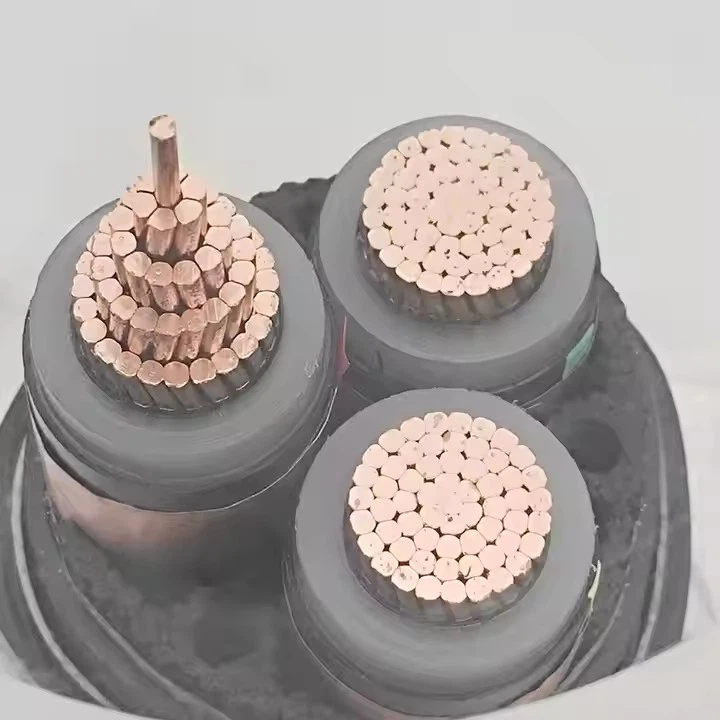
Properties of Copper Core Power Cables
Copper is a highly conductive metal, which means it allows electricity to flow through it with minimal resistance. This property makes copper an ideal material for power cables, as it reduces energy loss during transmission. In addition to its high conductivity, copper is also ductile, meaning it can be easily drawn into thin wires without breaking. This allows for the production of cables with a high surface area to volume ratio, which further enhances their conductivity.
Another important property of copper is its resistance to corrosion. Unlike some other metals, copper does not rust or corrode easily when exposed to air or moisture. This makes copper core power cables suitable for use in a wide range of environments, including those with high humidity or corrosive chemicals.
Advantages of Copper Core Power Cables in Industrial Automation
High Conductivity
The high conductivity of copper core power cables is a major advantage in industrial automation systems. These systems often require a large amount of power to operate, and the low resistance of copper cables ensures that this power can be transmitted efficiently from the power source to the various components of the system. This not only reduces energy consumption but also helps to prevent overheating, which can damage sensitive electronic components.
Reliability
Copper core power cables are known for their reliability. The durability of copper and its resistance to corrosion mean that these cables can withstand the harsh conditions often found in industrial environments. They are less likely to fail due to environmental factors such as moisture, heat, or chemical exposure, which helps to minimize downtime and maintenance costs in industrial automation systems.
Flexibility
The ductility of copper allows for the production of flexible power cables. In industrial automation, where cables may need to be routed through tight spaces or around obstacles, flexibility is a valuable property. Flexible cables are easier to install and can adapt to the specific layout of the automation system, reducing the need for complex cable management solutions.
Compatibility
Copper core power cables are compatible with a wide range of electrical equipment commonly used in industrial automation. They can be used to power motors, sensors, controllers, and other devices, making them a versatile choice for industrial automation systems.
Limitations of Copper Core Power Cables
Cost
One of the main limitations of copper core power cables is their cost. Copper is a relatively expensive metal, and the price of copper core cables can be higher than that of cables made from other materials. However, it is important to consider the long - term benefits of using copper cables, such as their energy efficiency and reliability, which can offset the initial higher cost.
Weight
Copper is a dense metal, which means that copper core power cables can be heavier than cables made from other materials. In some industrial automation applications, where weight is a concern, such as in mobile or robotic systems, the weight of copper cables may be a disadvantage.
Applications of Copper Core Power Cables in Industrial Automation
Motor Power Supply
In industrial automation, motors are used to drive various mechanical components such as conveyor belts, pumps, and fans. Copper core power cables are commonly used to supply power to these motors due to their high conductivity and ability to handle high currents. The reliability of copper cables ensures that the motors receive a stable power supply, which is essential for their proper operation.
Control Systems
Control systems in industrial automation, such as programmable logic controllers (PLCs) and human - machine interfaces (HMIs), require a reliable power source. Copper core power cables can provide the necessary power while minimizing electrical interference, which is crucial for the accurate operation of these control systems.
Sensor Networks
Sensors are an integral part of industrial automation systems, used to monitor various parameters such as temperature, pressure, and position. Copper core power cables can be used to power these sensors and transmit the data they collect. The high conductivity of copper ensures that the sensor signals are transmitted accurately without significant loss.
Specialized Copper Core Power Cables for Industrial Automation
In addition to standard copper core power cables, there are also specialized types of cables that are well - suited for industrial automation. For example, Low Smoke Zero Halogen Power Cable is designed to emit low levels of smoke and no halogen gases in the event of a fire. This is important in industrial settings where the safety of personnel and the protection of equipment are paramount.
High Voltage Power Cable is another specialized option. In some industrial automation applications, such as large - scale manufacturing plants or power generation facilities, high - voltage power is required. Copper core high - voltage power cables can safely transmit this high - voltage electricity, ensuring the efficient operation of the automation system.
Submersible Pump Cable is designed for use in wet or submerged environments. In industrial automation systems that involve water management, such as in wastewater treatment plants or irrigation systems, submersible pump cables are essential for powering the pumps.
Conclusion
In conclusion, copper core power cables can indeed be used in industrial automation systems. Their high conductivity, reliability, flexibility, and compatibility make them a suitable choice for a wide range of applications within these systems. While they do have some limitations, such as cost and weight, the benefits they offer often outweigh these drawbacks.
If you are in the process of setting up or upgrading an industrial automation system and are considering the use of copper core power cables, I encourage you to reach out for more information. Our team of experts can help you select the right type of copper core power cables for your specific needs, taking into account factors such as power requirements, environmental conditions, and budget. Contact us today to start a discussion about your industrial automation power cable needs.
References
- Groover, M. P. (2015). Automation, Production Systems, and Computer - Integrated Manufacturing. Pearson.
- Chapman, S. J. (2012). Electric Machinery Fundamentals. McGraw - Hill.
- National Electrical Code (NEC). (2020). National Fire Protection Association.
Send Inquiry