

How to store control cables?
Sep 22, 2025
Leave a message
As a control cable supplier, I understand the importance of proper cable storage. Control cables are essential components in various industries, including automation, machinery, and electrical systems. Incorrect storage can lead to cable damage, reduced performance, and even safety hazards. In this blog post, I will share some valuable tips on how to store control cables effectively to ensure their longevity and optimal functionality.
Understanding the Basics of Control Cable Storage
Before delving into the specific storage methods, it's crucial to understand the basic principles that govern control cable storage. Control cables are typically made of conductive materials, insulation, and protective sheaths. These components can be sensitive to environmental factors such as temperature, humidity, and mechanical stress. Therefore, the primary goal of cable storage is to protect these components from damage and degradation.
Temperature and Humidity Control
One of the most critical factors in cable storage is maintaining the right temperature and humidity levels. Extreme temperatures can cause the insulation and sheaths of control cables to expand or contract, leading to cracks and other forms of damage. High humidity can also promote the growth of mold and mildew, which can corrode the cable's conductors and insulation.
- Ideal Temperature Range: The ideal temperature for storing control cables is between 10°C and 30°C (50°F and 86°F). Avoid storing cables in areas that are subject to direct sunlight or near heat sources such as radiators or furnaces.
- Humidity Management: Keep the humidity level in the storage area below 60%. You can use dehumidifiers or air conditioners to control humidity. Additionally, ensure proper ventilation to prevent the accumulation of moisture.
Protection from Mechanical Damage
Control cables are vulnerable to mechanical damage during storage. Sharp objects, heavy loads, and improper handling can all cause cuts, abrasions, and kinks in the cables. To prevent mechanical damage, follow these guidelines:
- Use Cable Reels or Spools: Store control cables on cable reels or spools. This helps to keep the cables organized and prevents them from tangling. Make sure the reels or spools are in good condition and have smooth edges to avoid scratching the cables.
- Avoid Overloading: Do not stack too many cables on top of each other. Overloading can cause the cables at the bottom to be crushed, leading to damage.
- Handle with Care: When moving or handling cables, use proper lifting equipment and techniques. Avoid dragging the cables across rough surfaces or sharp edges.
Protection from Chemicals and Contaminants
Control cables can be damaged by exposure to chemicals and contaminants. Some common chemicals that can harm cables include solvents, acids, and alkalis. To protect your cables from chemical damage, take the following precautions:
- Store in a Clean Environment: Keep the storage area clean and free from dust, dirt, and other contaminants. Regularly clean the storage shelves and floors to prevent the accumulation of debris.
- Avoid Chemical Exposure: Do not store cables near chemicals or in areas where chemical spills are likely to occur. If you need to store cables in an area where chemicals are present, make sure they are properly sealed and protected.
Cable Labeling and Organization
Proper cable labeling and organization are essential for efficient cable storage and management. Labeling helps to identify the cables quickly and ensures that they are stored in the correct location. Here are some tips for cable labeling and organization:
- Use Clear Labels: Label each cable with its type, length, and destination. Use waterproof and durable labels to ensure that the information remains visible over time.
- Organize by Type and Size: Group the cables by type and size to make it easier to find the cables you need. You can use storage racks or cabinets to organize the cables.
- Maintain an Inventory: Keep an inventory of all the cables in your storage area. This will help you keep track of the cable stock and ensure that you have the right cables available when you need them.
Long-Term Storage Considerations
If you need to store control cables for an extended period, there are some additional considerations to keep in mind. Long-term storage can increase the risk of cable degradation, so it's important to take extra precautions to protect the cables.
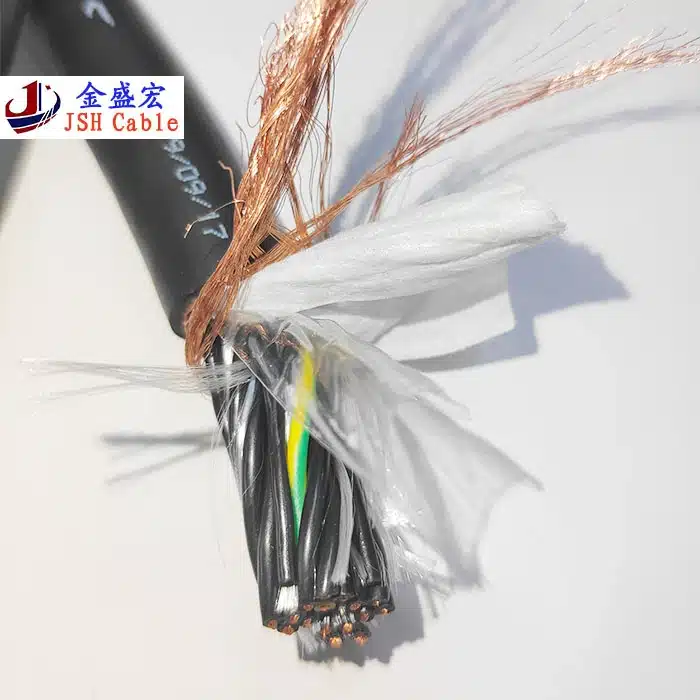

- Periodic Inspections: Conduct periodic inspections of the stored cables to check for any signs of damage or degradation. Look for cracks, discoloration, or other visible defects.
- Re-packaging: If the cables are stored for a long time, consider re-packaging them to provide additional protection. You can use plastic bags or shrink wrap to seal the cables and prevent moisture and dust from entering.
- Rotation: If you have a large inventory of cables, implement a rotation system to ensure that the oldest cables are used first. This helps to prevent the cables from sitting in storage for too long and reduces the risk of degradation.
Specific Storage Requirements for Different Types of Control Cables
Different types of control cables may have specific storage requirements. Here are some examples:
- Flexible Drag Chain Cable: These cables are designed for use in drag chains, which require high flexibility and durability. When storing flexible drag chain cables, make sure they are coiled loosely to prevent kinking. Avoid storing them in a tight space or under heavy pressure.
- Cross Linked Polyethylene Insulated Aluminum Core Power Cable: These cables are commonly used in power distribution systems. They are sensitive to moisture and should be stored in a dry environment. Make sure the cable ends are properly sealed to prevent moisture from entering.
Conclusion
Proper storage of control cables is essential for maintaining their performance and longevity. By following the tips outlined in this blog post, you can ensure that your control cables are stored in the best possible conditions. Remember to control the temperature and humidity, protect the cables from mechanical damage and chemicals, label and organize the cables, and conduct periodic inspections. If you have any questions or need further advice on cable storage, please feel free to contact us. We are here to help you make the most of your control cable investment. Whether you are looking to purchase new control cables or need assistance with cable storage and management, our team of experts is ready to assist you. Contact us today to start a conversation about your cable needs.
References
- Electrical Cable Installation Manuals
- Industry Standards for Cable Storage and Handling
- Manufacturer's Guidelines for Control Cable Storage
Send Inquiry