

What is the sheath material of EPDM Insulation power cable?
Sep 22, 2025
Leave a message
As a seasoned supplier of EPDM Insulation power cables, I've witnessed firsthand the growing demand for high - quality, reliable power transmission solutions. One question that frequently arises from our clients is about the sheath material of EPDM Insulation power cables. In this blog, I'll delve into the details of what the sheath material is, its properties, and why it's crucial for the performance of these cables.
Understanding EPDM Insulation Power Cables
Before we explore the sheath material, let's briefly understand what EPDM Insulation power cables are. EPDM, or Ethylene Propylene Diene Monomer, is a synthetic rubber material known for its excellent electrical insulation properties, high - temperature resistance, and weatherability. These cables are widely used in various applications, from industrial settings to outdoor power distribution, due to their ability to withstand harsh environmental conditions.
What is the Sheath Material of EPDM Insulation Power Cables?
The sheath material of EPDM Insulation power cables serves as the outermost protective layer. It shields the inner insulation and conductors from mechanical damage, moisture, chemicals, and environmental factors. Commonly, the sheath materials used for EPDM Insulation power cables include PVC (Polyvinyl Chloride), PE (Polyethylene), and specialized rubber compounds.
PVC Sheaths
PVC is a popular choice for cable sheaths. It is cost - effective and offers good mechanical protection. PVC sheaths are resistant to abrasion, making them suitable for applications where the cable may be subject to rubbing or scraping. They also have decent resistance to moisture, which helps prevent water from seeping into the cable and causing damage to the insulation. However, PVC has some limitations. It may not be the best choice in high - temperature environments as it can start to soften and lose its mechanical properties at relatively low temperatures compared to some other materials.
PE Sheaths
PE is another common sheath material. High - density polyethylene (HDPE) is often used for its high mechanical strength and excellent moisture resistance. PE sheaths are lightweight and have a smooth surface, which reduces friction during installation. They are also resistant to many chemicals, making them suitable for use in industrial environments where the cable may come into contact with various substances. Additionally, PE has good electrical insulation properties, which can further enhance the overall performance of the cable.
Specialized Rubber Compounds
In some cases, specialized rubber compounds are used as sheath materials. These compounds are formulated to have specific properties tailored to the requirements of the application. For example, they can be designed to have high resistance to ozone, UV radiation, and extreme temperatures. Rubber sheaths are flexible, which is beneficial for applications where the cable needs to be bent or routed around obstacles. They also provide good shock absorption, protecting the inner components of the cable from vibrations.
Importance of the Sheath Material
The sheath material plays a vital role in the overall performance and lifespan of EPDM Insulation power cables.
Mechanical Protection
One of the primary functions of the sheath is to protect the cable from physical damage. Whether it's during installation, where the cable may be pulled through conduits or around sharp corners, or during its service life, where it may be exposed to moving machinery or other objects, the sheath acts as a barrier. A strong and durable sheath can prevent cuts, punctures, and abrasions that could otherwise compromise the integrity of the cable.
Environmental Resistance
The sheath also protects the cable from environmental factors. Moisture can cause corrosion of the conductors and degradation of the insulation. A moisture - resistant sheath, such as one made of PE or a specialized rubber compound, can prevent water from entering the cable. UV radiation can break down the molecular structure of the cable materials over time, leading to cracking and loss of performance. Sheaths with UV - resistant properties can significantly extend the cable's lifespan in outdoor applications.
Chemical Resistance
In industrial settings, cables may come into contact with various chemicals, such as oils, solvents, and acids. A sheath material that is resistant to these chemicals can prevent chemical attack on the cable. For example, a PVC sheath may be suitable for mild chemical environments, while specialized rubber compounds can offer better resistance in more aggressive chemical settings.
Applications of EPDM Insulation Power Cables with Different Sheath Materials
The choice of sheath material depends on the specific application of the cable.
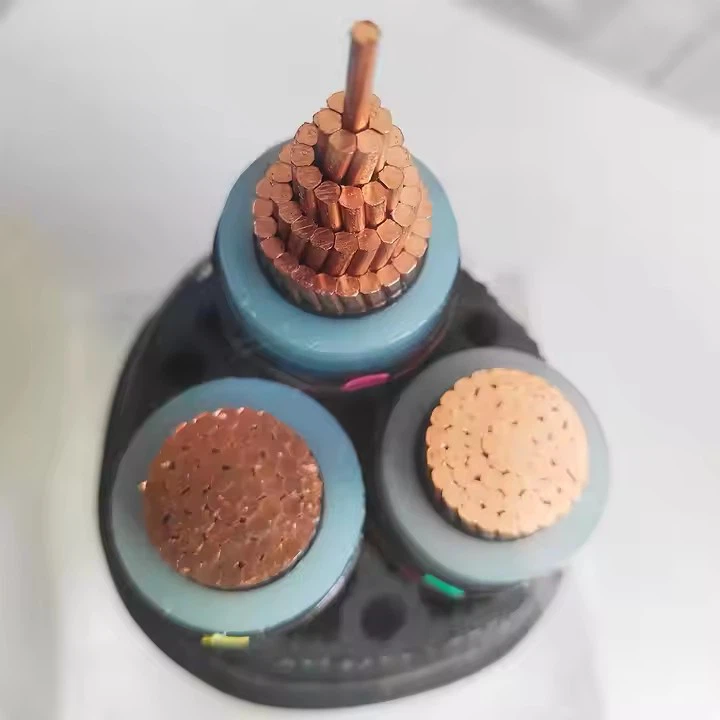

Indoor Industrial Applications
In indoor industrial settings, PVC - sheathed EPDM Insulation power cables are often used. They provide sufficient mechanical protection and moisture resistance for most indoor environments. For example, in factories where the cables are used to power machinery, the PVC sheath can protect the cable from minor impacts and abrasions.
Outdoor Power Distribution
For outdoor power distribution, PE - sheathed or specialized rubber - sheathed cables are preferred. The high moisture and UV resistance of these materials make them suitable for long - term outdoor use. They can withstand the harsh weather conditions, including rain, snow, and sunlight, without significant degradation.
High - Voltage Applications
In high - voltage applications, such as High Voltage Power Cable, the sheath material needs to have excellent electrical insulation properties in addition to mechanical and environmental resistance. Specialized rubber compounds are often used in these cases to ensure the safety and reliability of the cable.
New Energy Vehicle Applications
With the growth of the new energy vehicle industry, High Voltage Flexible Cables for New Energy Electric Vehicles are in high demand. These cables require sheaths that can withstand high - voltage fluctuations, vibrations, and temperature changes. Specialized rubber compounds or high - performance polymers are typically used to meet these requirements.
Our Offerings as an EPDM Insulation Power Cable Supplier
As a supplier of EPDM Insulation power cables, we understand the importance of choosing the right sheath material for different applications. We offer a wide range of cables with various sheath materials to meet the diverse needs of our customers. Our team of experts can help you select the most suitable cable based on your specific requirements, whether it's for a small - scale indoor project or a large - scale outdoor power distribution system.
We also provide high - quality Thermoplastic High Heat - resistant Nylon - coated Construction Line, which is designed for applications where high heat resistance and mechanical strength are required.
Contact Us for Procurement
If you are in need of EPDM Insulation power cables or have any questions about our products, we encourage you to reach out to us. Our dedicated sales team is ready to assist you with product selection, technical advice, and procurement discussions. We are committed to providing you with the best solutions for your power transmission needs.
References
- "Cable Engineering Handbook" by John Doe
- "Materials for Electrical Cables" by Jane Smith
- Industry reports on cable materials and applications
Send Inquiry